

The Story of
Xhosa Beadwork
Beading from a Xhosa Perspective
For generations, beads have formed part of how Xhosa people express identity, belonging, beauty and tradition. More than adornment, beadwork carries knowledge through colour, pattern and form — connecting the person who wears it with the customs, ceremonies and generations that came before.
More Than Adornment
In Xhosa life, beadwork has long carried meaning beyond beauty. Colour, pattern, form and the way an ornament is worn can speak to femininity and manhood, social standing, customs, ceremony and belonging. To wear and understand these signs is also part of ukuzazi — knowing who you are, where you come from, and how you belong.

A Tradition Before the Bead
Long before glass seed beads became part of Xhosa adornment, people expressed beauty, identity and belonging through the materials available to them. The arrival and growing use of glass beads introduced new colours, precision and possibilities, but the meaning placed upon adornment remained rooted in the people, customs and traditions that gave it purpose.

Credit: Photograph by Harold Scheub, ca. 1967–1976. Courtesy of the Harold E. Scheub Collection, University of Wisconsin–Madison Libraries Digital Collections.
A New Palette of Expression
As glass beads became increasingly available, Xhosa makers found new possibilities in colour, arrangement and detail. Tiny beads could be woven into precise patterns and striking combinations, allowing adornment to become ever more expressive while remaining grounded in the meanings, customs and aesthetic traditions of Xhosa life.
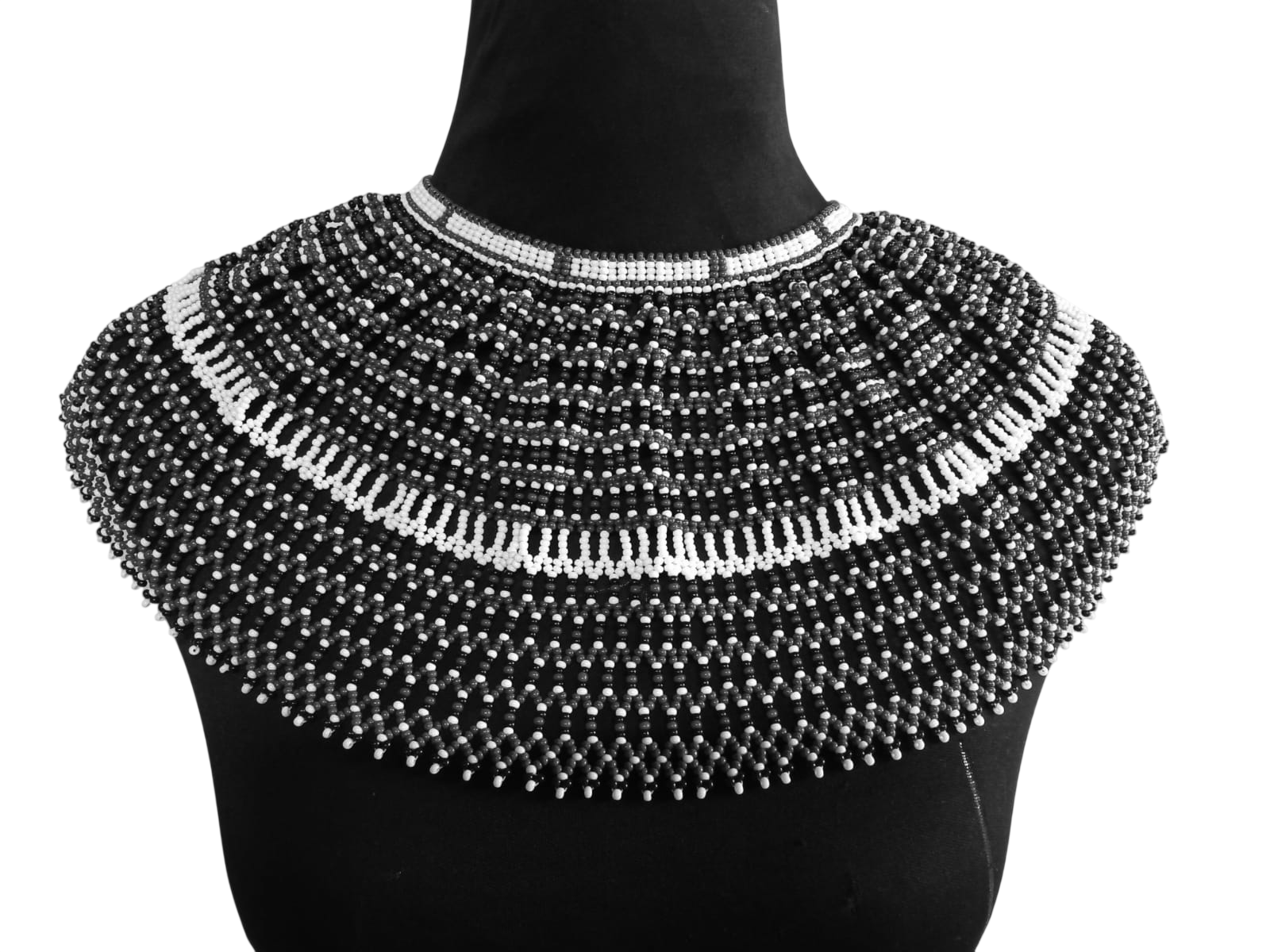
Custom, Ceremony and Belonging
Beadwork finds its deepest expression in the moments that mark a life. Worn for ceremony, transition, celebration and everyday identity, its forms become part of how people present themselves and honour the customs that connect one generation to another.
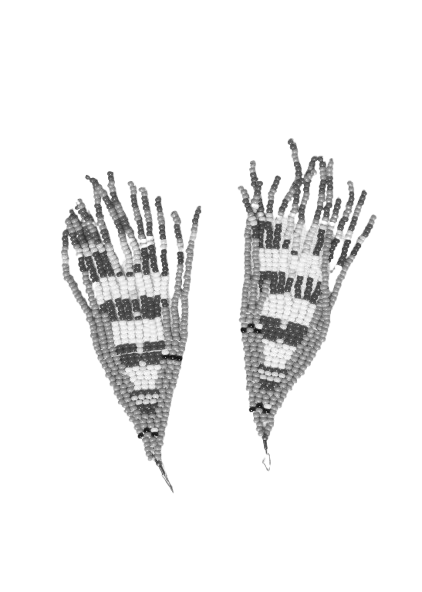
Knowing Who You Are
To know the beadwork is to recognise more than colour and pattern; it is to recognise the stories carried by the people who make, wear and pass it on. Uku zazi — knowing who you are — gives heritage its living meaning, connecting identity with memory, place and the generations still to come.
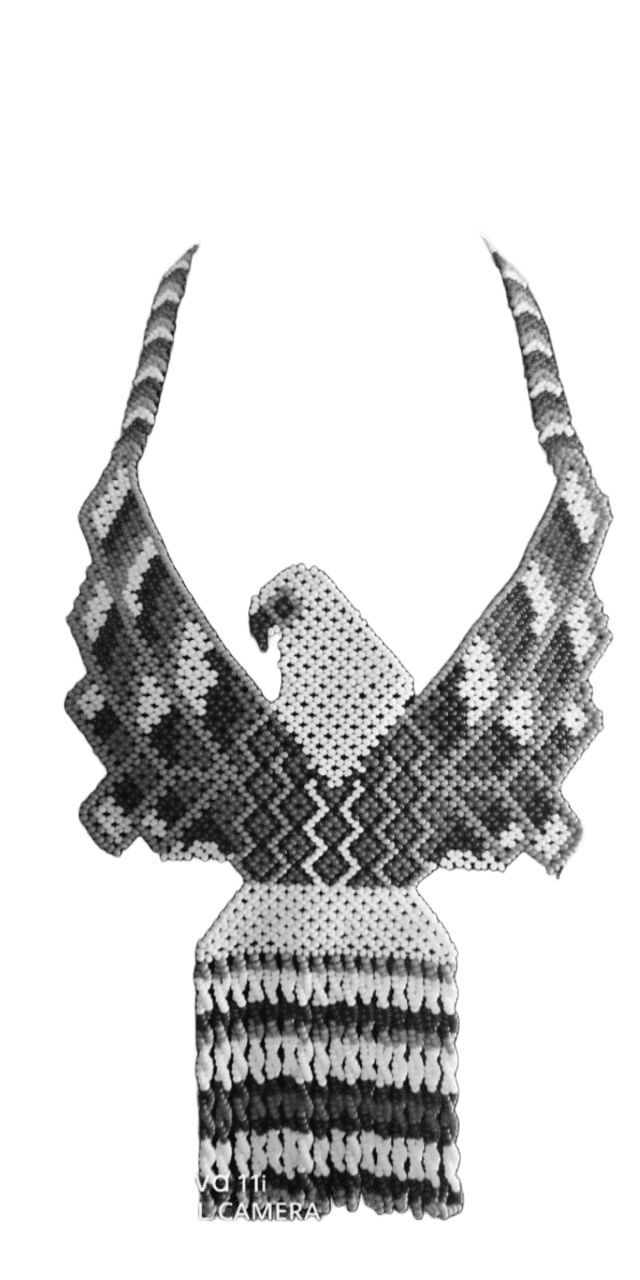
Still Being Made
Xhosa beadwork is not a memory held only in photographs or collections. It continues in the hands of makers who carry knowledge forward, shaping heritage through contemporary expression while keeping its connection to identity, culture and place alive.